Many people know about the Geographic Information Systems (GIS) Health Checks that Gaia Resources offers. What might be a better kept secret is that we apply the same structured review process to digital archives, environmental data systems, and collections management platforms.
Previously, Rocio shared about doing a GIS Health Check in her blog, GIS in your organisation: can you identify any pain points? Similarly, Chris shared his experiences in How healthy is your GIS environment?. Both posts describe a work package offered by Gaia Resources in which we use our Subject Matter Experts (SMEs) to do a holistic review of a scoped system - in the provided examples, specifically GIS. The objective is to provide an independent perspective on how a system is functioning. We identify pain points, analyse their causes, and produce a strategic roadmap that prioritises improvements and mitigates risk.
Let’s bust some myths and provide some clarification - Gaia Resources actually offers Digital Health Checks, of which GIS is just one subset. In line with our SME portfolio, we look at the digital side of GIS, environmental data, digital archives, and collections industries. These are areas where our SMEs have diverse real world experience and can provide valuable insight into the issues that these digital systems might face.
Founded as a spatial company 22+ years ago, it makes sense we have been doing our GIS Health Checks (such as Rocio’s and Chris’ articles linked) the longest. However, we also have a long history in delivering environmental projects as well and have been involved in the development of international environmental data standards with groups like TDWG, as well as with national and company specific standards. Using our expertise, we have also delivered reviews and roadmaps a step above a typical Digital Health Check but in the same vein, with one example documented here: National Species List Web Site Discovery and Design.
With respect to the archival and collection industries, Gaia Resources has been working with collection organisations for over the past 14 years. We have staff that have worked in a range of museums and archives before specialising in technology and joining Gaia Resources. Since joining, these staff have continued to contribute to the gallery, library, archives, and museum (GLAM) sector by delivering training in Australia, New Zealand, and South East Asia. These SMEs are the people that deliver our Digital Health Checks - real people who have had experience of doing the work that you are doing right now in your systems.
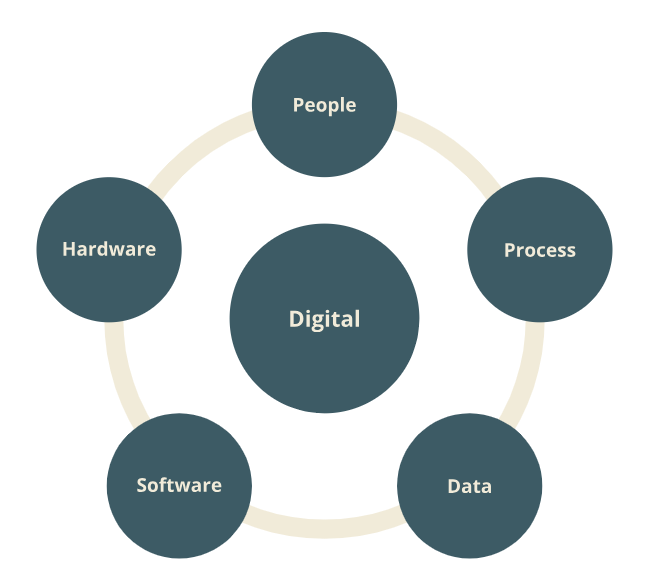
While the Health Checks may be diverse, the elements and core concepts are the same. We look at a designated system and conduct a three-stage project that interrogates five main components: people, process, data, software, and hardware. At Gaia Resources, we pride ourselves on being people centric and it’s no coincidence that we list people first in the Health Check process. We want to hear from the people using a system how that system is working for them and where it could improve. The processes people use to interact with the system, be it systematic workflows or organisational procedures, shape any user experience. These processes subsequently inform how data is accessed and managed, not to mention, data quality. To round out the Health Check, we must also include the software as our technology impacts our people, processes, and data. And of course, there is no software without hardware, thus we include hardware components in the analysis.
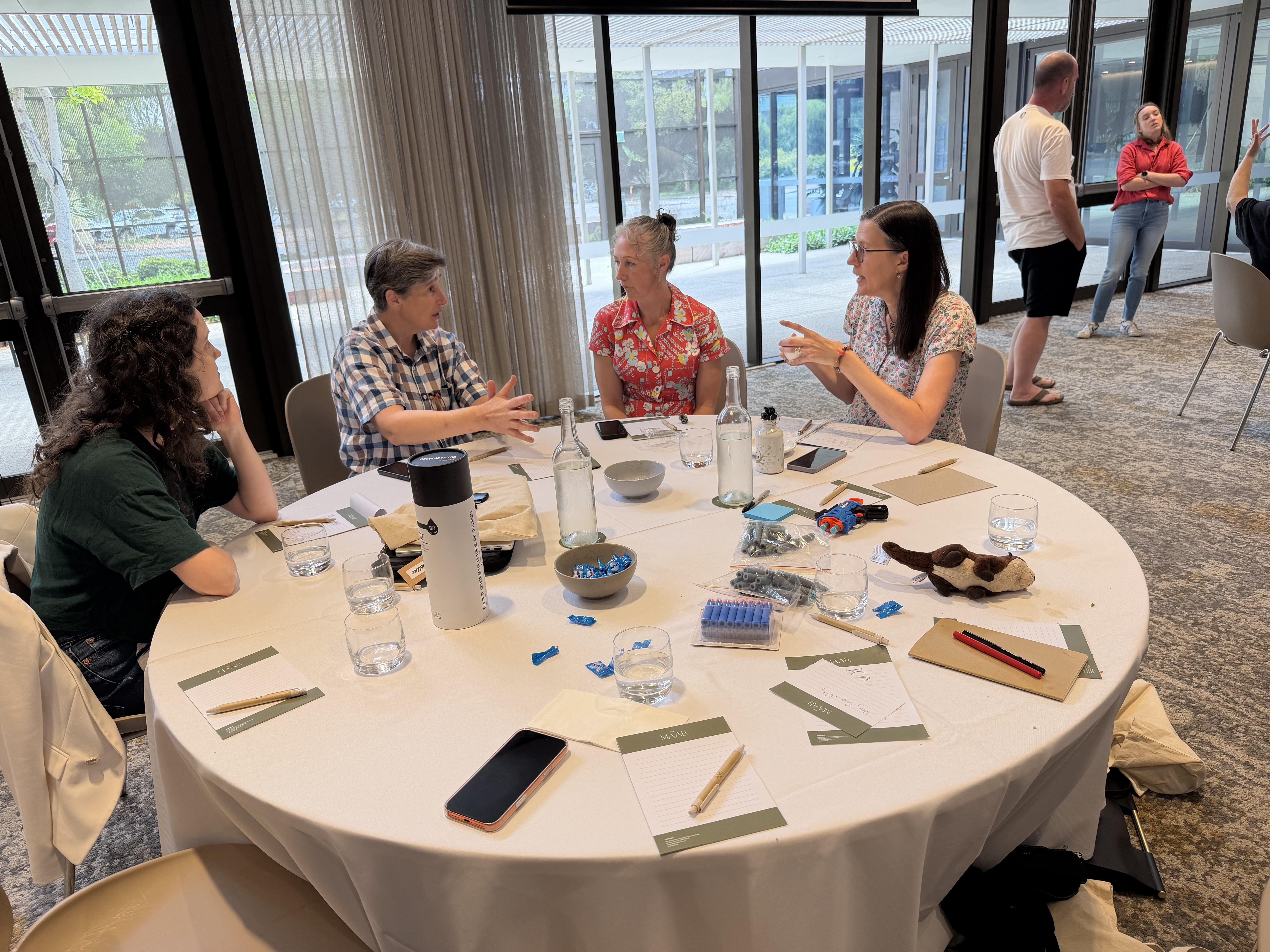
A Health Check commences with a period of talking to the people who interact with the system in question, a segment of the project which we call the Assessment. The objective of the Assessment is to gain insights from all stakeholders about concerns, requirements, and constraints. Our SME’s gather information pertaining to all five components outlined above to use in the secondary stage, the Development. During this phase, the collective brains trust of our SMEs work to analyse the information gathered during the Assessment and propose actionable recommendations. Lastly, to round out the Health Check, we Deliver - a report is written outlining the findings, recommendations and a proposed roadmap to implement the changes. This report becomes a valuable artefact to assist in advocacy for funding, change, or technological uplift.
So what does this actually look like in practice? As a lapsed Archivist, let me explore a Digital Archive Health Check as an example. In undertaking the Assessment phase, I would want to speak to your team about anything and everything; what does a typical day look like, what does your collection include, what systems are in place, and of course, what is and isn’t working. Rather than just having a jolly good chat, we would discuss these things in a systematic way so that the collected data could properly be measured and assessed. When working with software and hardware, where possible, I would want the details, the specifications, and even a show and tell session. All of this would be weighed and reconciled with relevant considerations. Following on, as mentioned above, myself and the team would work to Develop a way forward, documenting and explaining it in a complete report. In an ideal world, I would have the chance to walk you through the report to explain nuances, answer questions and ensure it meets the needs of your organisation.
In short, a Digital Health Check from Gaia Resources is a set scope of Assessment, Development, and Delivery, done at a fixed cost based on the size and scale of your scope of the review. Every organisation has blind spots - things we do because it’s the way we’ve always done them. A Digital Health Check brings in new, fresh perspectives and presents back actionable activities that can be pursued by the organisation to further improve the health of their organisation in the area in question. A Digital Health Check is a pragmatic guide or can even be a catalyst for change within an organisation.
We’d love to hear about systems and concerns and let's have a conversation about how we can help you. You can reach out to us via email, or through our social media platforms – LinkedIn, Facebook or Instagram. We are here to help!
Sarah