Knock Knock, Who’s There? A Thousand Bots and They Want Your Data
Imagine suddenly finding your institution's digital doors battered down by automated crawlers harvesting your collection at unimaginable speeds. Protecting archive and collection systems from the volume-driven impacts caused by AI-driven crawlers and automated scraping bots is now a serious problem for online collections. In the past few years, we’ve seen this play out many times across our clients' systems, with institutions that had run smoothly for years suddenly under attack from this new and overwhelming type of traffic.

Why Open-Source is the Backbone of Sustainable Tech
At our core, we’ve always believed that technology should leave the world better than we found it. It’s a values-driven commitment we live every day at Gaia Resources. Whether we’re building solutions for environmental data, protecting cultural archives, or supporting community projects - our end goal is always long-term resilience for ourselves, our clients and our projects.
We’ve been creating technology solutions for over 20 years, but we don't do it in isolation. Nobody builds a movement from scratch - nor should they.
How many biodiversity data points are we missing?
I was asked a question the other day: “How many biodiversity data points do you think there are in Australia?” There’s nothing like an interesting question to get your mind working.
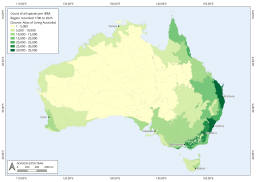
The biggest collection of biodiversity data points in Australia is in the Atlas of Living Australia (ALA). As I was writing this, there were over 184 million records in the ALA. So let’s start there…
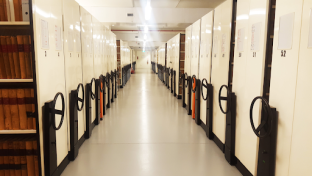
Every Breath You Take, Every Emission You Make: Carbon Accounting in Archives
When we talk about sustainability and environmental impacts, there are numerous factors to consider: power use, water use, biodiversity impacts and a range of other factors. Many of these are near and dear to our hearts here at Gaia Resources, as much of our work has an environmental focus. While each of these elements is important when assessing your own impacts, today we are starting our investigations into carbon emissions in the context of a collecting institution.
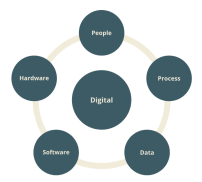
Understanding Your Digital Ecosystem: Which Digital Health Check Is Right for You?
Many people know about the Geographic Information Systems (GIS) Health Checks that Gaia Resources offers. What might be a better kept secret is that we apply the same structured review process to digital archives, environmental data systems, and collections management platforms.
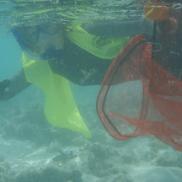
What does ‘biodiversity’ mean? What does it look like? Why is biodiversity important?
In May we celebrated the United Nations International Day for Biological Diversity with a blog about how the environmental projects we deliver at Gaia Resources contribute to the United Nations goals for biodiversity conservation and sustainable development.
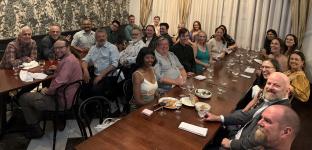
Where were you 20 years ago?
Jarrad’s note: We hand the blog over to Mieke this time who was looking at how much of her work - including a lot of it at Gaia Resources - has involved the Atlas of Living Australia (ALA). This is her exploration of her journey with the ALA:
----------------------------------------------------------------------------------------------------------------
The End of Another Financial Year!
As we get to the End Of Financial Year again we have taken the time to review the last 12 months, and we’ve got to say it’s been a real mixed bag!
Audio Visual Archives in a Humid, Hot Environment
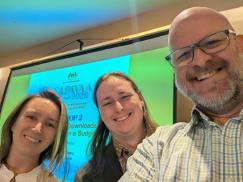
Recently, three of our team - Piers, Sarah and Tyler - were guests at the 26th SouthEast Asia-Pacific Audio Visual Archive Association (SEAPAVAA) conference in the heat and humidity of Ipoh, Malaysia, very kindly supported by the National Archives of Malaysia, who also supported our travel to the conference.
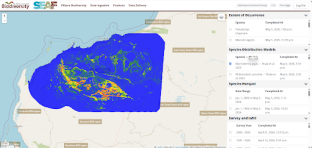
How We’re Helping Shape the Future of the Pilbara (and beyond)
There’s nothing quite like seeing years of collaboration, science, technical expertise and sheer grit come together to create something that can genuinely make the world a better place.