We stumbled upon the recent Joint Technical Symposium (JTS) from multiple different places all at once a few weeks ago - from people we met at IPRES 2025 last year, and from current clients that we’re working with. The JTS is a highly technical event, as outlined in the brief:
The Joint Technical Symposium (JTS) is an international scientific and technical event for professionals engaged in the preservation and management of audiovisual collections. Organised every few years since 1983 by the Coordinating Council of Audiovisual Archives Associations (CCAAA), it provides an opportunity for colleagues around the world and those interested in the field to meet and share information about the preservation of original image and sound materials.
JTS provides an opportunity for audiovisual archiving professionals from different backgrounds to come together, share new and upcoming technical advances in our field, and to go beyond the boundaries of specific formats or domains. It is an opportunity to inform and collaborate with each other, to share expertise from across the world and to contribute to the development of the next generation of audiovisual professionals.
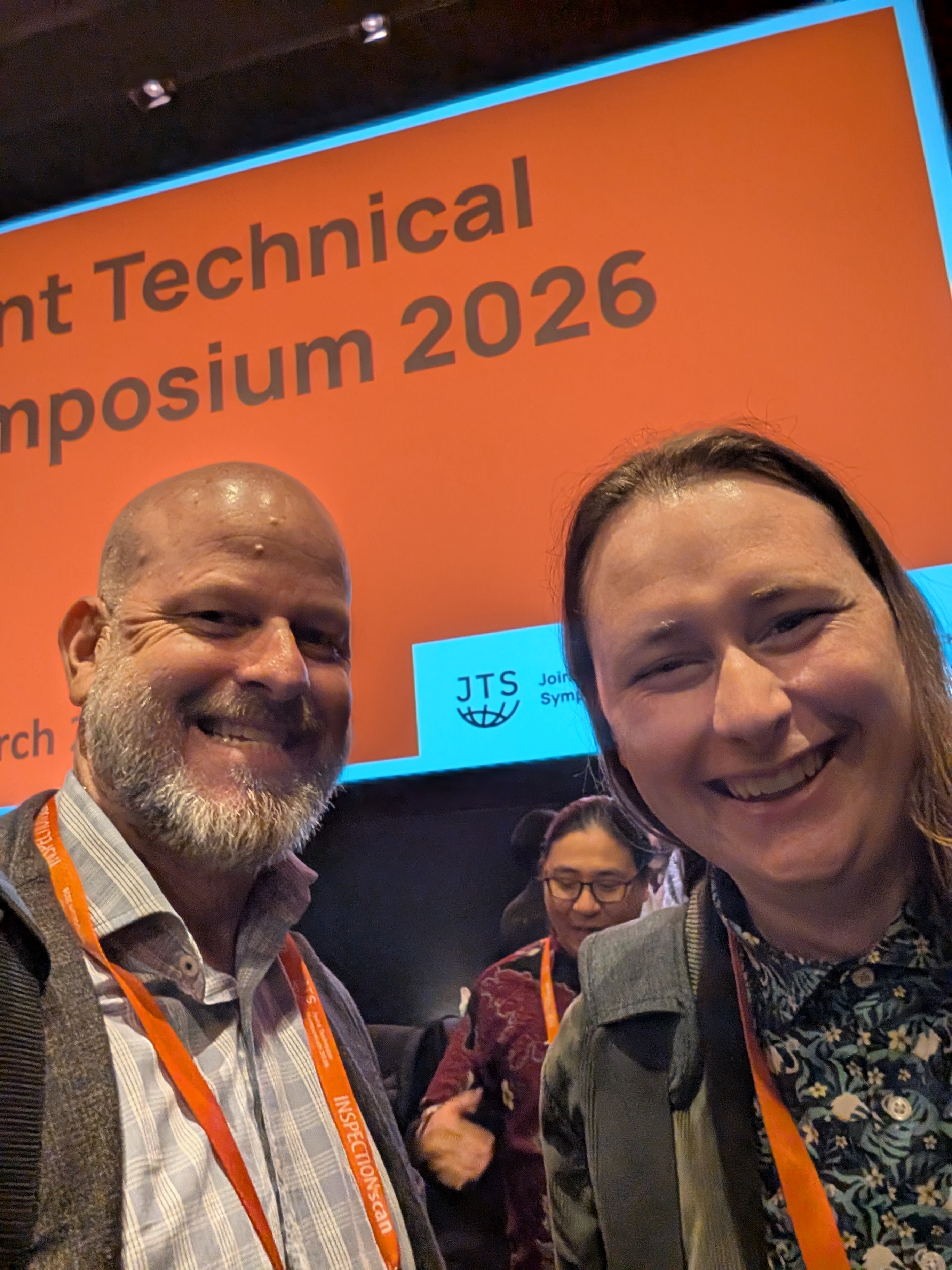
So we decided that we should come down to join the community around JTS - and so Tyler and I headed down/over to Canberra. We were hoping that we could not only contribute something but also learn as much as we could from this event - and we weren’t disappointed.
The big focus of JTS was digitisation, especially given the focus on audiovisual collections. There was a lot of reflection about “Deadline 2025” - a deadline for digitising analogue audiovisual collections. The theory was that from then on it would be significantly harder to digitise the collections because equipment and skilled staff would no longer be available.
While we are now past 2025, there were some amazing stories from a range of organisations that buckled down and got things digitised. Some of the metrics around these digitisation programs - 2,000 tapes a week, 500TB a day, 1,500MB/second - are great benchmarks for any digitisation project to look at and evaluate their own progress. The competition for equipment and skilled staff is very real, but there are also some lights on the horizon - there are some small companies and skilled hobbyists creating new machines for playing back old tapes, and there are also some innovative research projects using a particle accelerator for scanning the tape while it’s still in the container which gives us some hope that these amazing archival tapes will be able to be digitised and seen by future generations, and not lost.
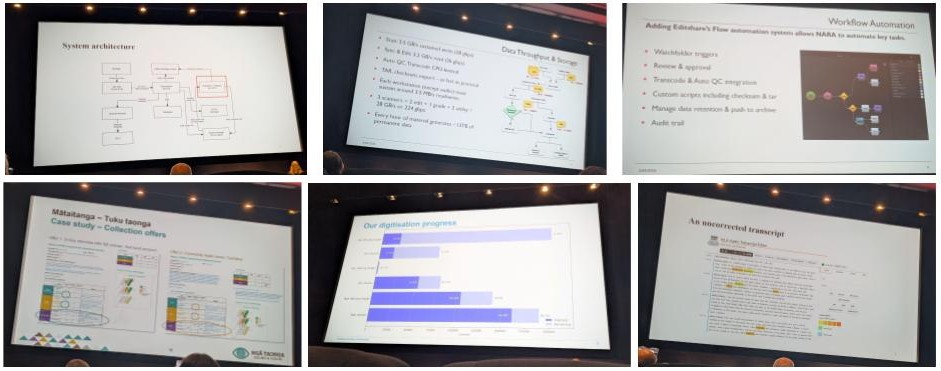
Scanning ahead, there were a few really interesting talks about the future in this area. Although there was little discussion of Digital Preservation in the program, there was some discussion around emulation of old operating systems and software, which has the potential to supplement existing Digital Preservation practices. These Digital Preservation practices are things that we’ll talk about at the upcoming South East Asia-Pacific AudioVisual Archives Association (SEAPAVAA) conference in Malaysia - where we’ll be running an updated version of our Digital Preservation workshop we gave at iPRES and PARBICA, that includes some of these future ideas.
Speaking of the future, Artificial Intelligence (AI) did pop up a few times. It was interesting to see that the idea of AI as a tool, or implemented as a framework, like what we’ve done with MATE, is gaining traction. While there are still areas that need attention - like how to train models, and especially how to do this with endangered languages (like PARADISEC are doing) - AI is in use by many of the larger national collecting organisations, and they are all doing this in the right way - with the human right in the centre of the loop.
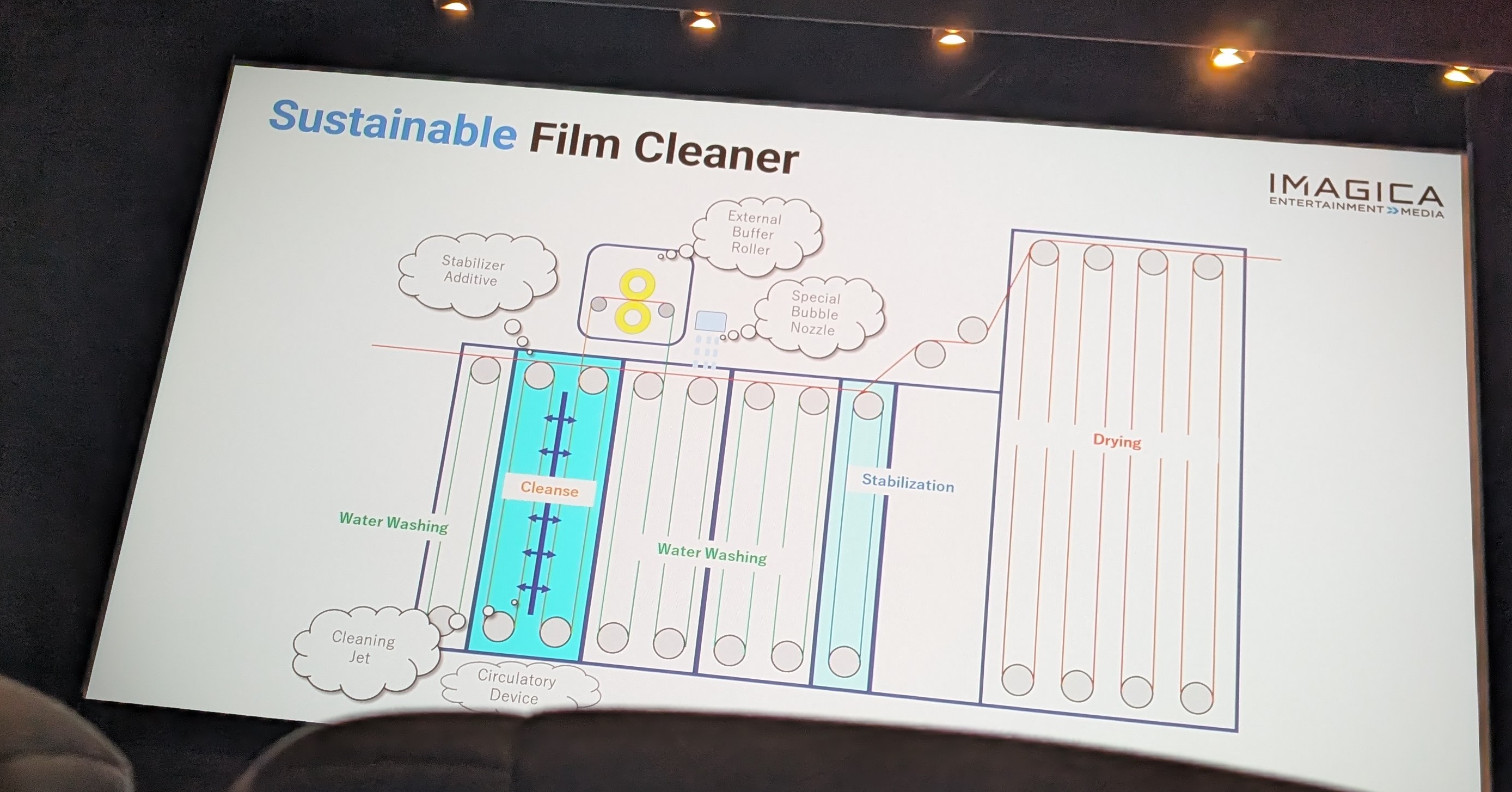
Finally, all of this comes at a cost - around sustainability, however you define it. You might be defining sustainability in dollars, tonnes of carbon dioxide equivalent, or human hours, but there were some of the first discussions around one of our favourite topics. Whether you're turning off equipment when not in use, using lossless compression to reduce storage energy usage, or reusing older equipment for a new purpose, sustainability is becoming a key part of archiving.
It was a highly informative conference for us - one that we’d like to get to again in the future. But more importantly, JTS has shaped what we’ll be bringing to SEAPAVAA in June, 2026: we’ll be giving a talk about MATE and the use of AI in archiving, and we’ll be delivering our Digital Preservation training that will include not only the technical aspects of that area, but also consideration of what’s coming in the future - and how to keep it all sustainable.
It was great to be part of the JTS community for a couple of days in Canberra - well worth the trip! If you want to know more about it then feel free to drop us a line, or start a conversation on our social media channels.
Piers