In May we celebrated the United Nations International Day for Biological Diversity with a blog about how the environmental projects we deliver at Gaia Resources contribute to the United Nations goals for biodiversity conservation and sustainable development. In today’s blog, Gill White (one of our Consulting Scientists) explores biodiversity in more detail through a series of questions: ‘what does biodiversity mean?’, ‘what does biodiversity look like?’ and ‘Why is biodiversity important?’
The term ‘biological diversity’, often shortened to ‘biodiversity’, is a widely-used term, but what does ‘biodiversity’ actually mean? What does it look like? Why is biodiversity important? And what can we do about it?
Given we celebrated the United Nations (UN) International Day for Biological Diversity in May, the UN is a good place to start looking for a globally-agreed definition. The simplest definition the UN uses is:
Biodiversity—short for biological diversity—means the diversity of life in all its forms—the diversity of species, of genetic variations within one species, and of ecosystems. (UN Convention on Biological Diversity toolkit).
This definition highlights three key aspects of biodiversity which we’ll explore in this blog.
Diversity of species
The first component of the UN description of biological diversity is ‘the diversity of species’. There are a few different ways to visualise this concept; the simplest approach is to count the number of species found in an area, this is known as the ‘species richness’.
To map the species richness for Australia we downloaded data from the Atlas of Living Australia (ALA) showing a count of all unique species recorded between 1 January 1700 and 31 December 2025. ‘All species’ includes records from all taxonomic kingdoms including Animalia, Plantae, Fungi, Bacteria, Viruses, Chromista (e.g. kelp), and Protista (e.g. moulds). As you can imagine, this is a huge volume of records (over 81,500 unique species were recorded across Australia during this period), so our Data Scientist, Gail Wittich, created a Python script utilising the ALA’s galah package to download this data and to summarise it by biogeographic regions of Australia (using the Interim Biogeographic Regionalisation for Australia (IBRA) boundaries).
We limited our search to 1 January 1700 because the ALA recommends treating records from before 1700 with caution because the taxonomic identification of the species is likely to have been added to the data retrospectively.
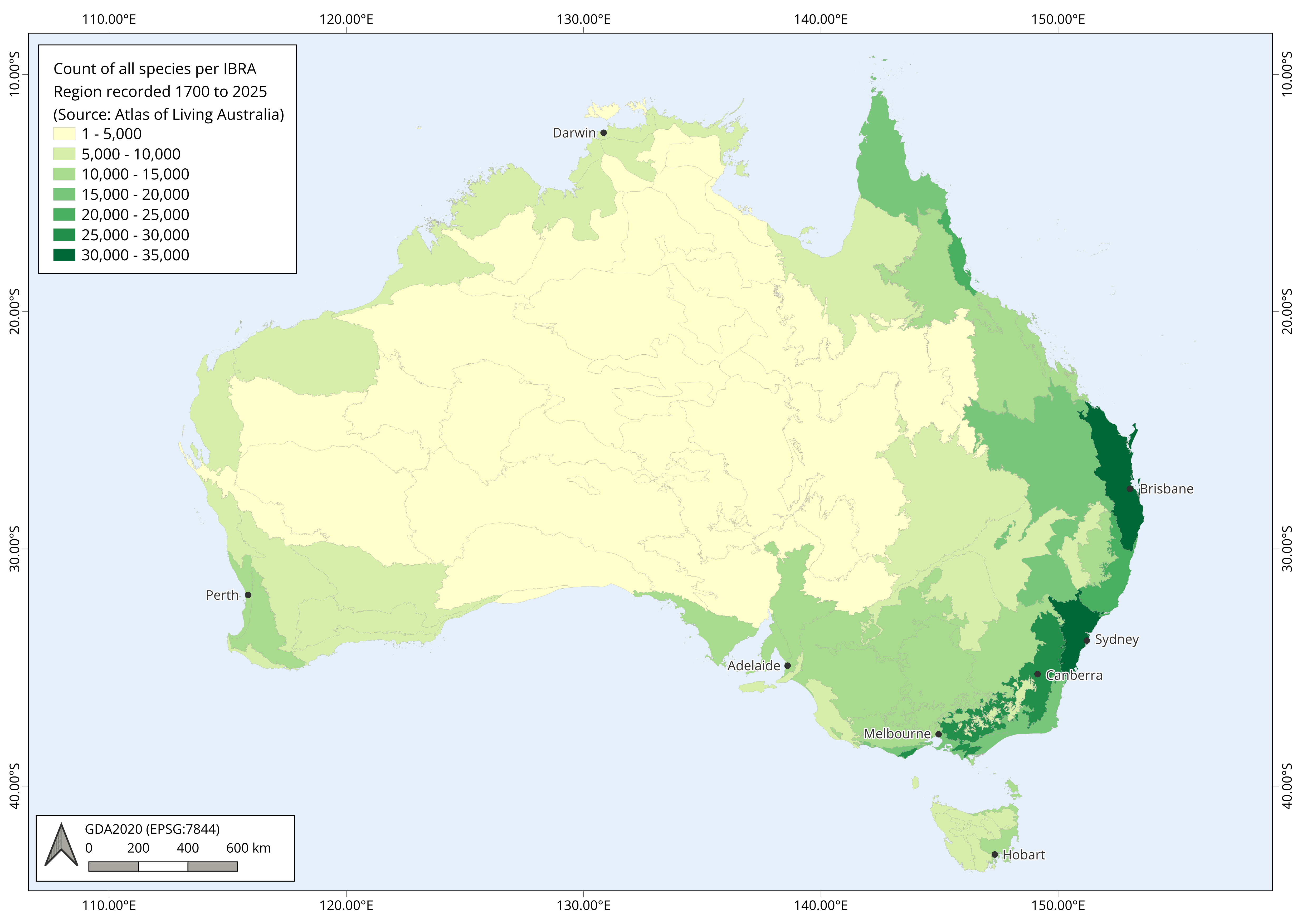
This shows that the bioregions with the highest species richness are concentrated in the eastern side of Australia. We note that this pattern is likely to be influenced by the number and intensity of biological surveys undertaken (survey effort) in each region. For example, a paper published in Nature in 2020 showed that, for ecological research into terrestrial reptiles between 1972 and 2017, the research location was most strongly influenced by proximity to universities in Australia. Universities are clustered in the areas of highest population density, primarily in the eastern half of Australia, along with Perth in the west and Darwin in the north. Also, we know from anecdotal evidence that biological survey sites are often located near roads or tracks because they’re more accessible and therefore easier to deploy survey equipment and undertake survey activities.
We also note that some species that were historically recorded in Australia have since become extinct. The Australian government currently lists 67 fauna species and 35 flora species as extinct under the Environment Protection and Biodiversity Conservation Act 1999 (EPBC Act) lists of threatened fauna and threatened fauna. In the EPBC Act, ‘extinct’ is defined as ‘there is no reasonable doubt that the last member of the species has died’.
Genetic diversity within a species
The second component of the UN definition of biodiversity is the genetic variations that occur within a species. The cells of plants and animals contain genes or lengths of deoxyribonucleic acid (DNA) molecules that house the information or code needed by cells to make proteins. Proteins form the structure of a plant or animal, influence the way it looks and are involved in biological processes within the plant or animal.
Genetic material is passed from one generation of a species to the next via reproduction. During this process each parent donates a copy of its genes to its offspring, leading to a unique combination of genetic material in each offspring; this provides genetic diversity within a species. Genetic diversity is also created via mutations of genes and by genes having slightly different forms (alleles).
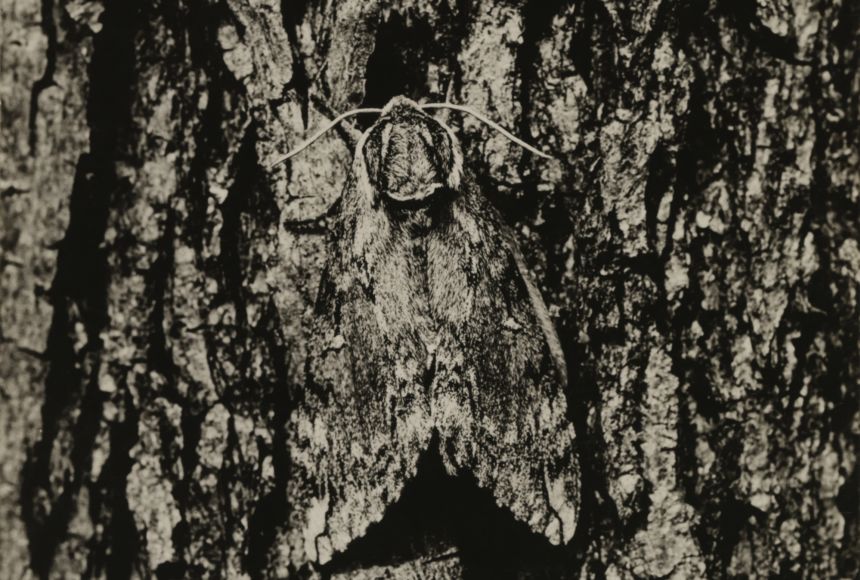
This genetic diversity can create different traits that allow some individuals to survive better than others. For example, the Catalpa Sphinx moth (Ceratomia catalpae) uses its textured wings to blend in with tree bark. Individuals with colour traits closer to tree bark are more camouflaged and therefore are less likely to be caught by predators. The genetic code for this camouflage trait will be passed to future generations, ensuring the survival of the species. While this example is for a North American moth species, the same concept of genetic diversity creating different traits occurs in Australia.
Diversity of ecosystems
The third component of the UN definition of biodiversity is diversity of ecosystems. According to the UN CBD toolkit, ecosystems are:
self-regulating communities of plants and animals interacting with each other and with their non-living environment—forests, wetlands, mountains, lakes, rivers, deserts and agricultural landscapes.
This definition brings together several different concepts: landscapes (including soil, rocks and landforms), vegetation, waterways, and the plants and animals that live in them. It is challenging to combine data for each of these different concepts into a single map showing different ecosystems. For example, a 2017 project to map Australia’s ecosystems, using an globally-developed approach, produced a highly detailed dataset that contains over 369,000 different ecological facets. It’s a challenge to represent this many ecological facets in a single map of Australia!
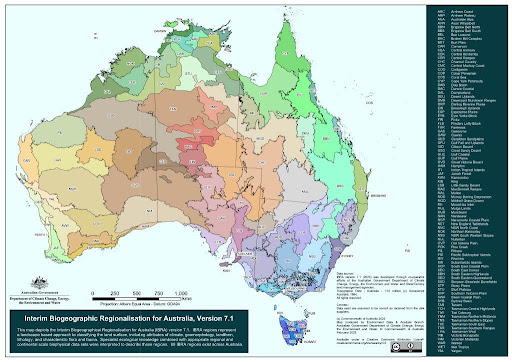
An alternative way to visualise the ecosystems across Australia is the Interim Biogeographic Regionalisation for Australia (IBRA). It was developed in the 1990s as a way of defining distinct bioregions based on common climate, geology, landform, native vegetation and species information. While IBRA defines bioregions instead of ecosystems, it uses a similar set of concepts to the UN definition of ecosystems, and was created to ensure that the diversity of ecosystems in Australia were protected through representation in the National Reserves System. The current version of IBRA, version 7, defines and maps 89 bioregions and 419 subregions in Australia.
Why is biodiversity important? What can we do about it?
The UN Kunming-Montreal Global Biodiversity Framework (UN KMGBF), adopted in 2022, provides an unequivocal description of why biodiversity is so important:
Biodiversity is fundamental to human well-being, a healthy planet, and economic prosperity for all people, including for living well in balance and in harmony with Mother Earth. We depend on it for food, medicine, energy, clean air and water, security from natural disasters as well as recreation and cultural inspiration, and it supports all systems of life on Earth.
In short, we need to conserve biodiversity because our lives, and the lives of all humans, depend on it!
Conserving global biodiversity can seem like an overwhelming task, however this year’s UN International Day for Biodiversity theme, ‘Acting locally for global impact’ suggests some small steps that we can all take:
- learn about our local biodiversity,
- connect with local groups to contribute to conservations efforts, and
- share information about our actions with others.
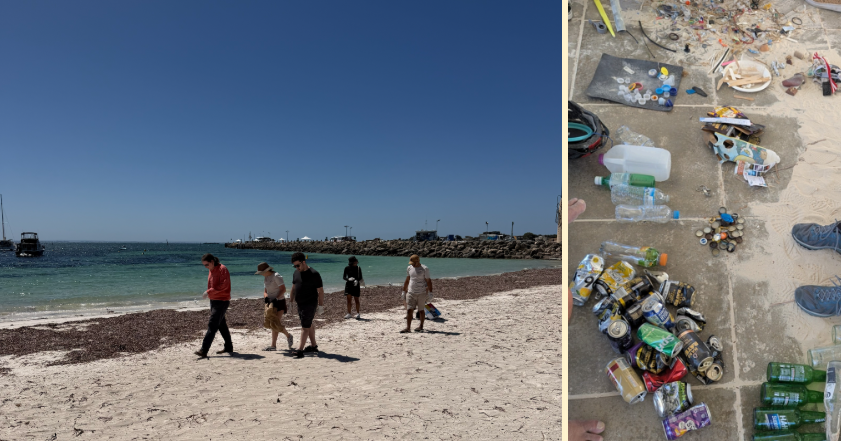
The team at Gaia Resources acted locally for global impact earlier this year by cleaning up one of the beaches on the beautiful Rottnest Island. We collected a huge volume of rubbish from the beach at Thomson Bay, and recorded the type and number of items for the Australian Marine Debris Initiative. This initiative is coordinated by Tangaroa Blue and accredited by the United Nations Environment Programme (UNEP). It aims to prevent rubbish entering our oceans, reducing the impact of plastic and other debris on marine plants and animals, both in Australia and across the globe. You can read about our beach clean up in this blog about our team week in February.
A key component of conserving biodiversity is understanding what species exist, where they live and what pressures they are facing. At Gaia Resources, we partner with clients to help them improve the flow, quality, storage and availability of environmental data that underpin decisions, many of which impact biodiversity in Australia. You can read about examples of this work in my last blog.
If you'd like to explore how Gaia Resources can help you improve the management, quality and availability of your environmental data, please send us an email or start a conversation with us on LinkedIn, Facebook or Instagram.
Gill